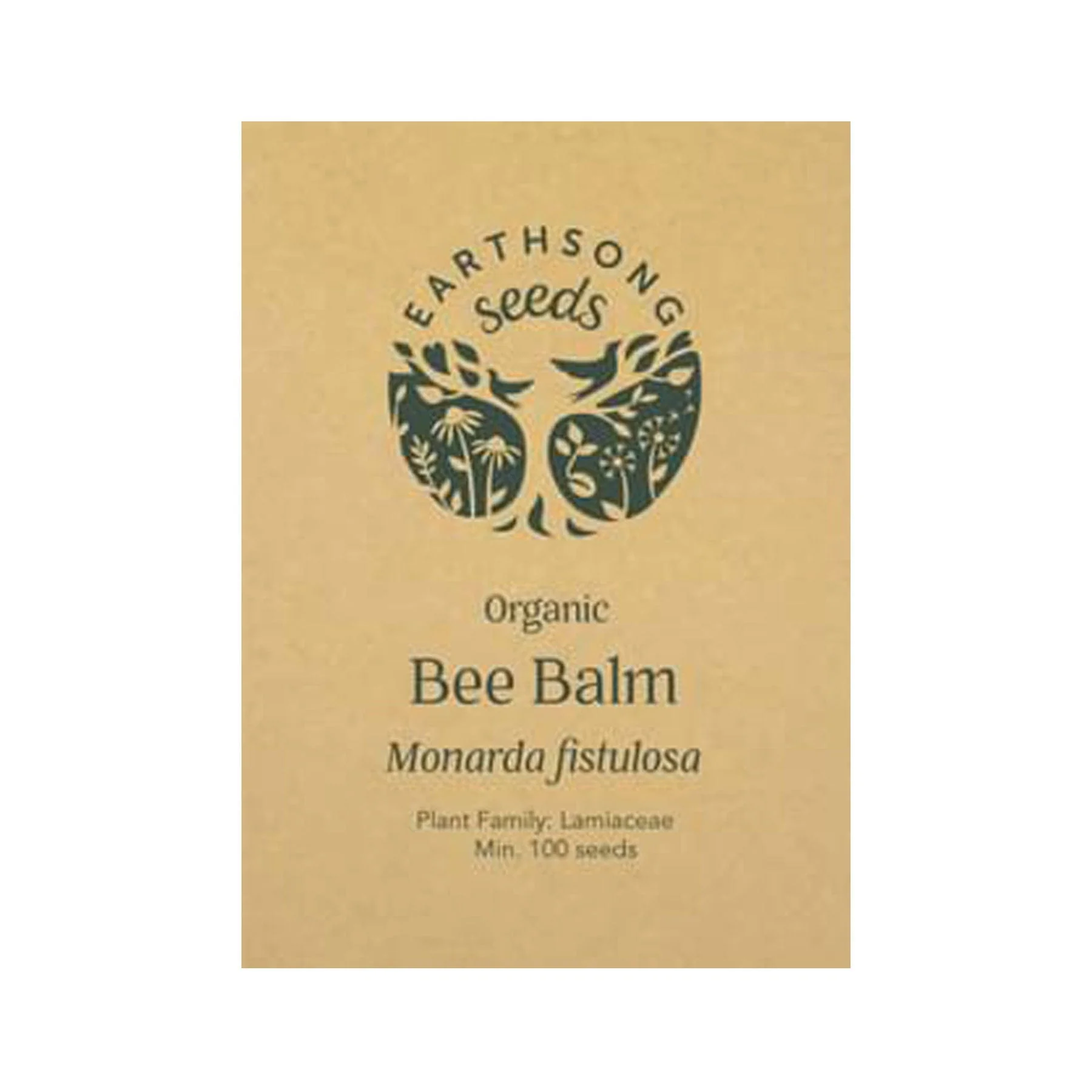
Bee balm seed pack
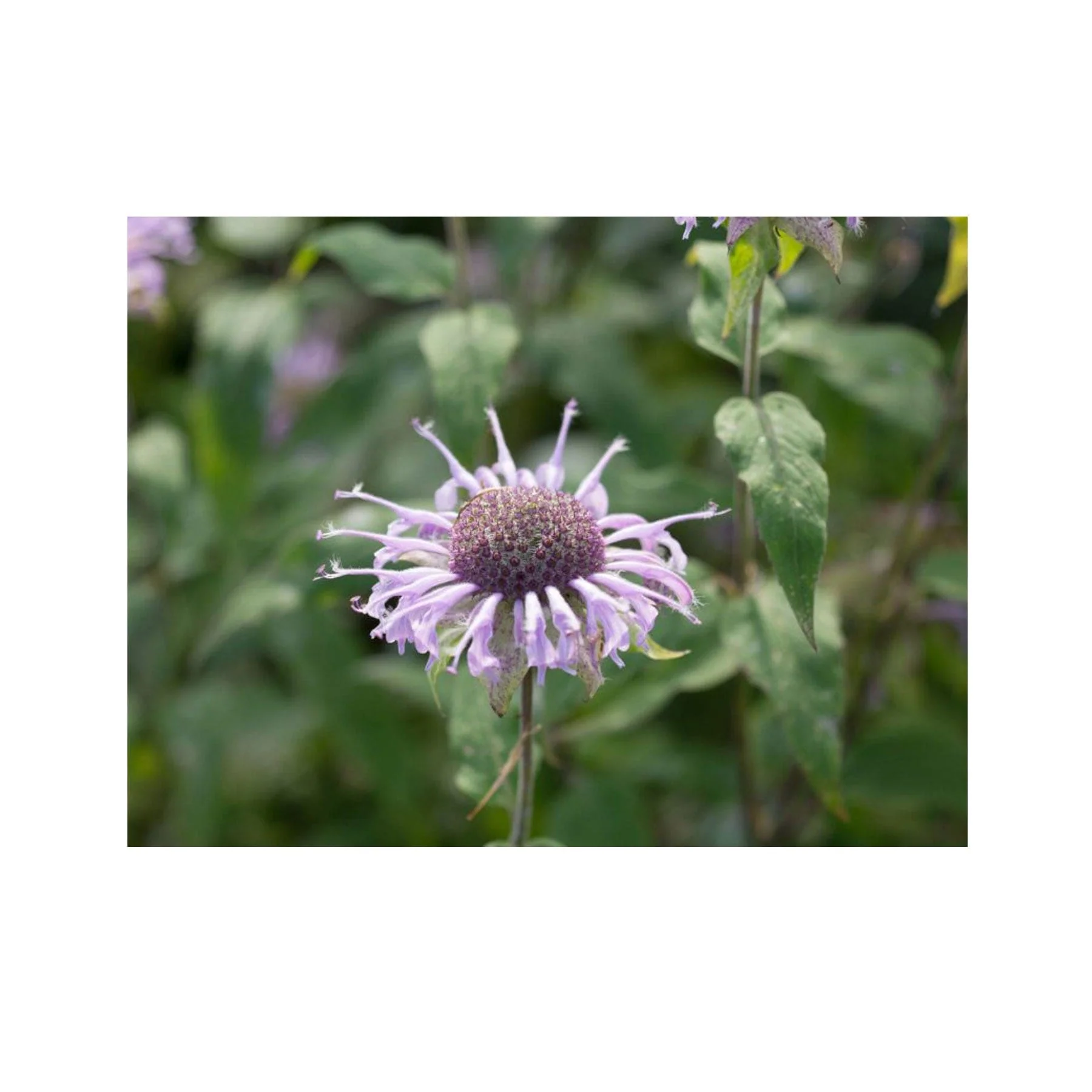
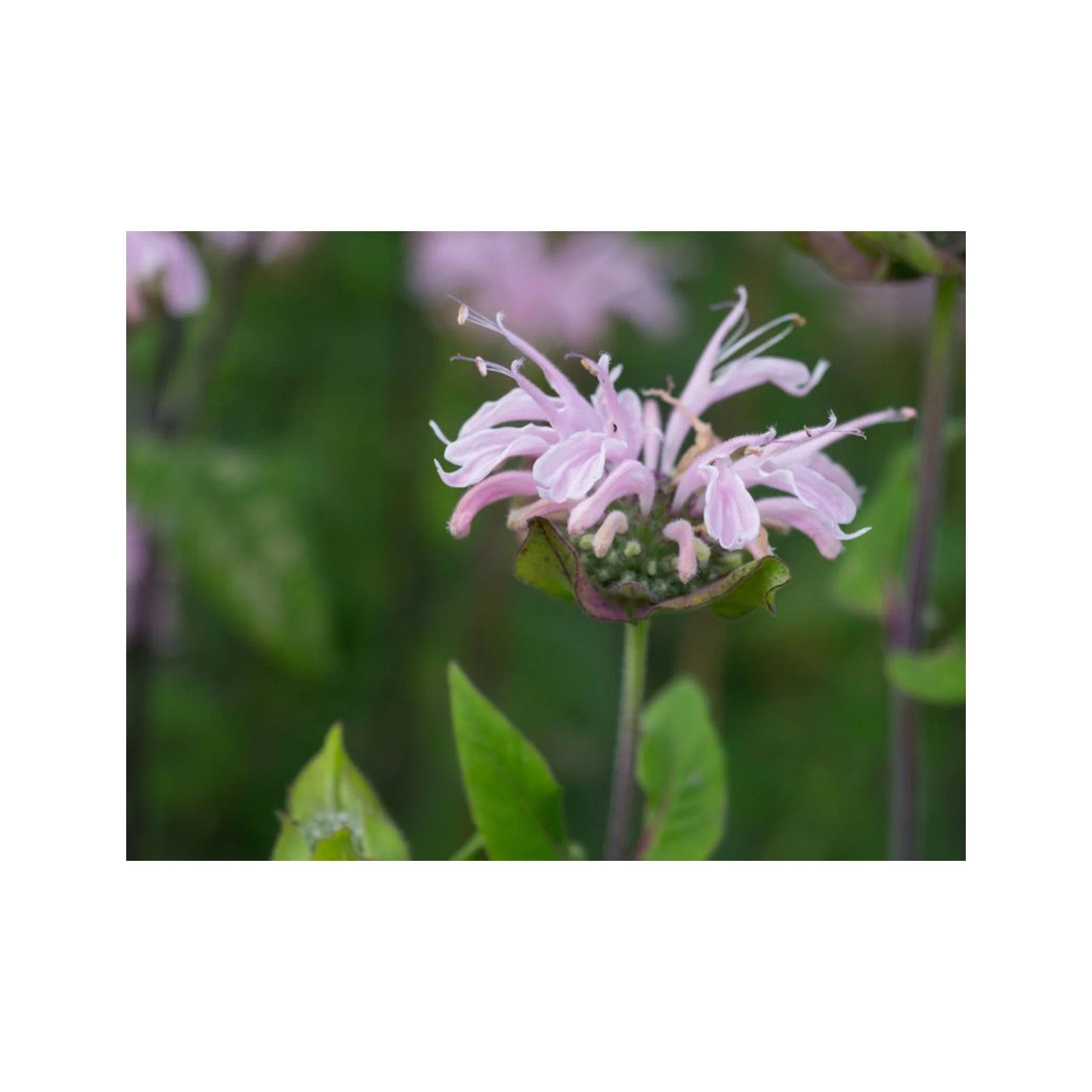
Sow: Indoors in early Spring into pots or trays in well draining seed compost at approx. 2mm – just enough to cover the seed. Germination occurs in 10-24 days, or faster when propagated at 20c. Seedlings can then be planted into their final growing position using organic compost in a position with full or partial sun, although we find they really thrive in full sun. Alternatively, they can be sown directly in late Spring with a 30cm spacing and will take 10–30 days to germinate. Water well until established and prepare for a beautiful and aromatic show when they start to flower at around 30cm tall from July to September.
Uses and benefits:
Its volatile oils carry powerful immune modulating compounds, such a thymol and carvacrol, that can be used for its antiseptic properties at the first sign of a sore throat or any infection in the mouth. It helps to encourage peripheral circulation and can be used to induce a sweat for seasonal chills. Its fragrant oils make it useful as a carminative to help digestion when added to food or as a herbal tea with it being renowned for ‘easing the passage of wind’ – best practiced in the garden.
Its ability to reduce infection make it good for cleaning any wounds on the skin when made into a poultice or as a wash.
Monarda fistulosa are hardy perennials which will need to be divided every 3 years in order to keep it’s woody growth at bay. This will hinder the plant’s growth if left unattended. Remember to collect the seeds and share with friends or start a new bed once the seed heads go brown
More Images

Bee balm seed pack
Sow: Indoors in early Spring into pots or trays in well draining seed compost at approx. 2mm – just enough to cover the seed. Germination occurs in 10-24 days, or faster when propagated at 20c. Seedlings can then be planted into their final growing position using organic compost in a position with full or partial sun, although we find they really thrive in full sun. Alternatively, they can be sown directly in late Spring with a 30cm spacing and will take 10–30 days to germinate. Water well until established and prepare for a beautiful and aromatic show when they start to flower at around 30cm tall from July to September.
Uses and benefits:
Its volatile oils carry powerful immune modulating compounds, such a thymol and carvacrol, that can be used for its antiseptic properties at the first sign of a sore throat or any infection in the mouth. It helps to encourage peripheral circulation and can be used to induce a sweat for seasonal chills. Its fragrant oils make it useful as a carminative to help digestion when added to food or as a herbal tea with it being renowned for ‘easing the passage of wind’ – best practiced in the garden.
Its ability to reduce infection make it good for cleaning any wounds on the skin when made into a poultice or as a wash.
Monarda fistulosa are hardy perennials which will need to be divided every 3 years in order to keep it’s woody growth at bay. This will hinder the plant’s growth if left unattended. Remember to collect the seeds and share with friends or start a new bed once the seed heads go brown
Product Information
Product Information
Shipping & Returns
Shipping & Returns
Description
Sow: Indoors in early Spring into pots or trays in well draining seed compost at approx. 2mm – just enough to cover the seed. Germination occurs in 10-24 days, or faster when propagated at 20c. Seedlings can then be planted into their final growing position using organic compost in a position with full or partial sun, although we find they really thrive in full sun. Alternatively, they can be sown directly in late Spring with a 30cm spacing and will take 10–30 days to germinate. Water well until established and prepare for a beautiful and aromatic show when they start to flower at around 30cm tall from July to September.
Uses and benefits:
Its volatile oils carry powerful immune modulating compounds, such a thymol and carvacrol, that can be used for its antiseptic properties at the first sign of a sore throat or any infection in the mouth. It helps to encourage peripheral circulation and can be used to induce a sweat for seasonal chills. Its fragrant oils make it useful as a carminative to help digestion when added to food or as a herbal tea with it being renowned for ‘easing the passage of wind’ – best practiced in the garden.
Its ability to reduce infection make it good for cleaning any wounds on the skin when made into a poultice or as a wash.
Monarda fistulosa are hardy perennials which will need to be divided every 3 years in order to keep it’s woody growth at bay. This will hinder the plant’s growth if left unattended. Remember to collect the seeds and share with friends or start a new bed once the seed heads go brown