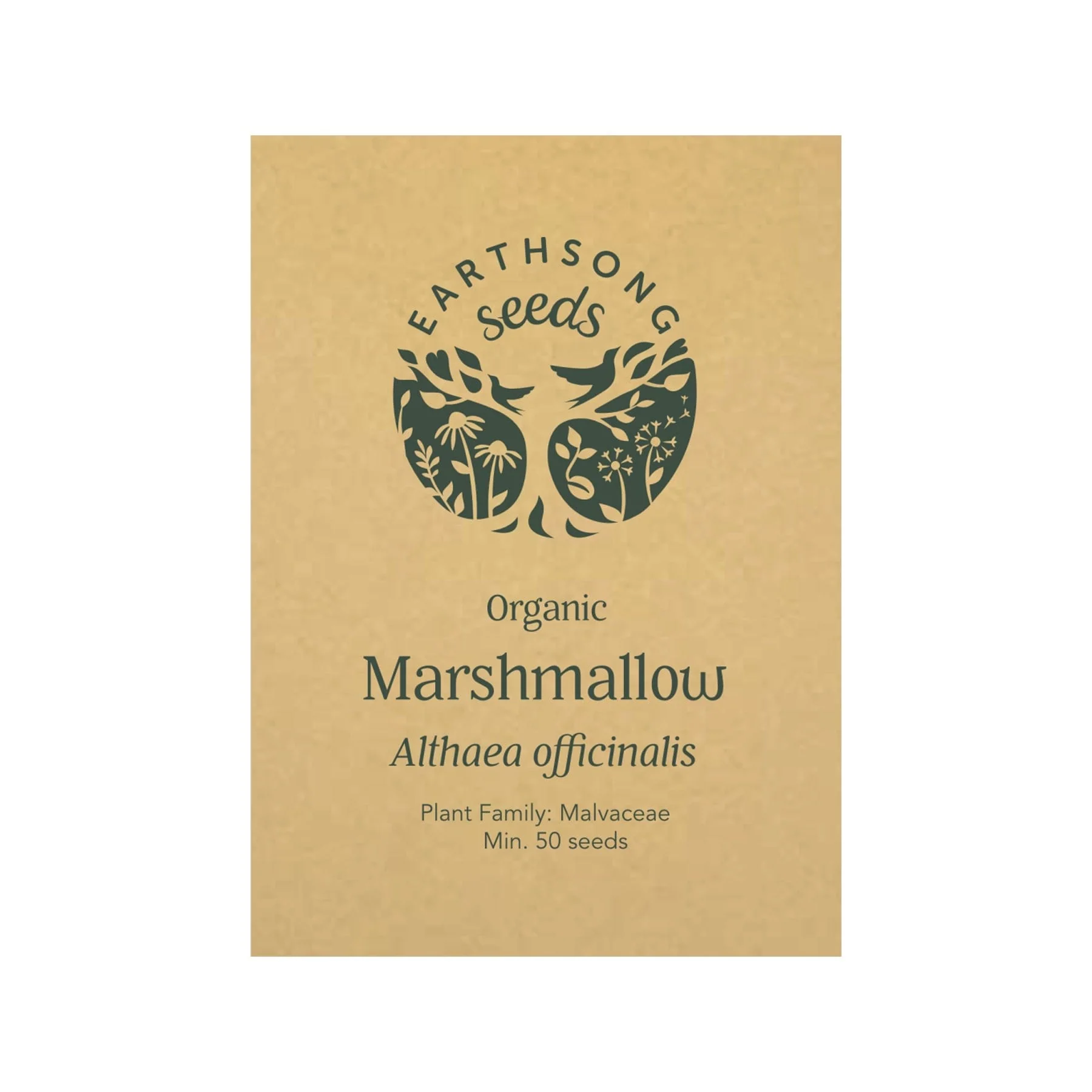
Marshmallow seed pack
Marshmallow is a herb that benefits from some stratification to break the seed’s dormancy. This can be done in two ways; either sow the seed directly outdoors in the autumn or cold-moist stratify (mix the seed with moist sand, seal in a bag and store in the fridge) for 3-4 weeks before sowing indoors in the spring. Sowing outdoors is a good method if you have a lot of seed, but if you only have a small amount, probably best to follow the second method.
Uses and benefits :
Relieving dry cough and upset and irritable digestion are the dominant roles of marshmallow. As its primary mucilage ingredient is sensitive both to heat and alcohol it is best taken as a powder or extracted in cold or warm (not hot) water.
Harvest:
You can harvest the soft leaves throughout the summer whenever they ‘feel right’; when the leaves feel like velvet and have a bit of ‘give’- this is usually when they are a couple of feet tall until flowering starts to go over. Pick the leaves off individually, discarding any damaged leaves or rust. Dry them thoroughly and store in an airtight container for soothing cups of tea.
Harvest the roots in their second- or better still, their third year. As the roots can really spread deep and wide start to dig some way out from the base and slowly work your way in so you don’t snap off too many root-arms.
More Images
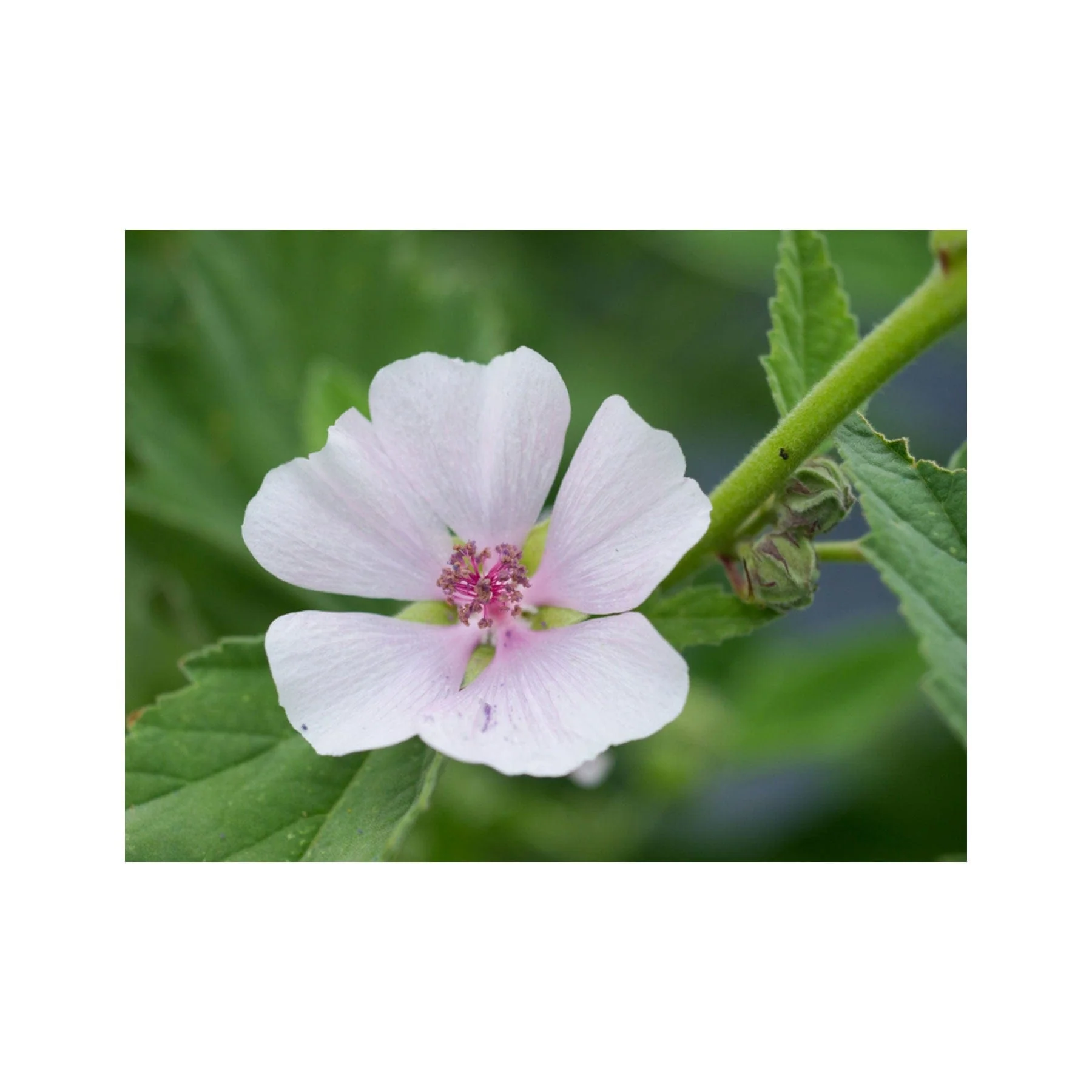
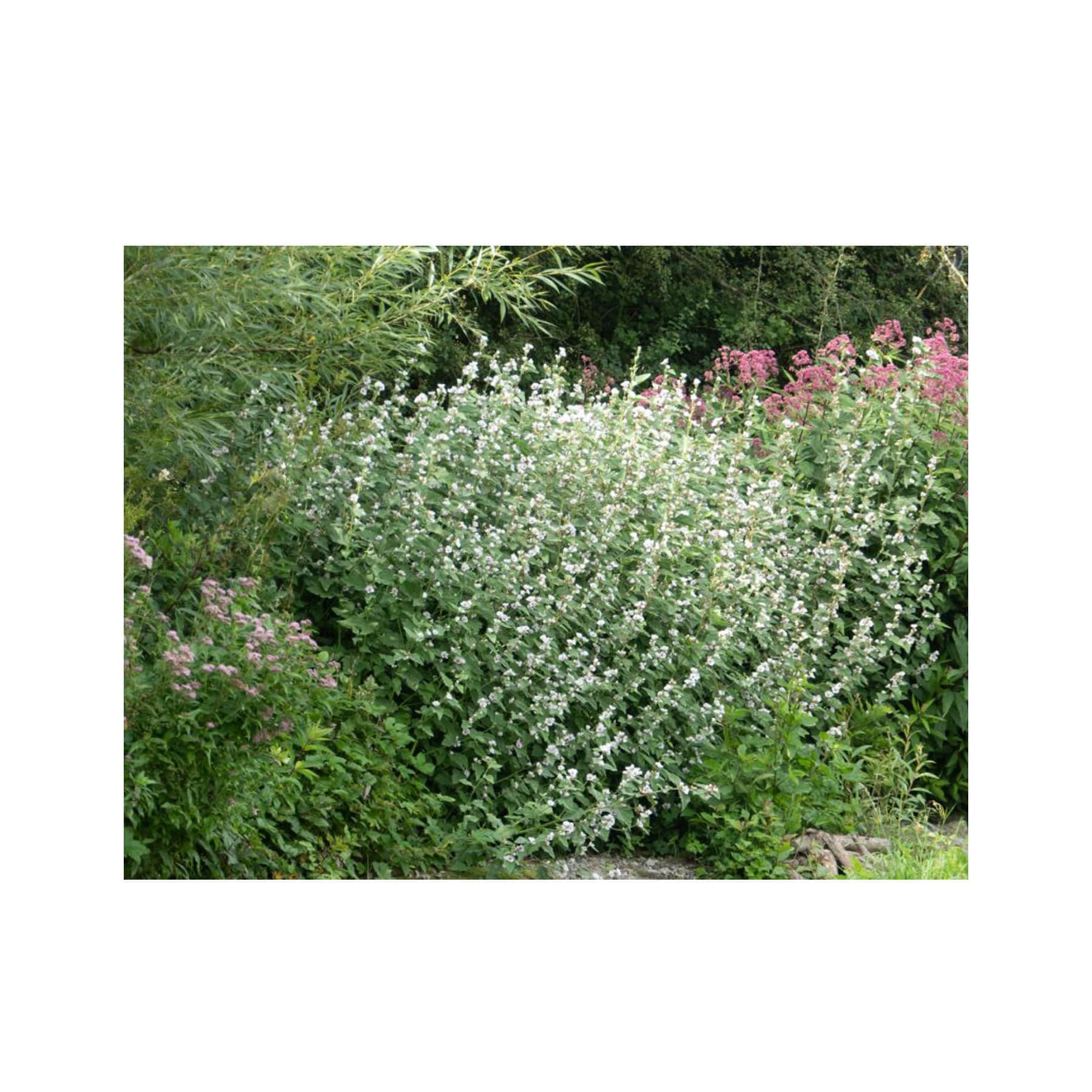

Marshmallow seed pack
Marshmallow is a herb that benefits from some stratification to break the seed’s dormancy. This can be done in two ways; either sow the seed directly outdoors in the autumn or cold-moist stratify (mix the seed with moist sand, seal in a bag and store in the fridge) for 3-4 weeks before sowing indoors in the spring. Sowing outdoors is a good method if you have a lot of seed, but if you only have a small amount, probably best to follow the second method.
Uses and benefits :
Relieving dry cough and upset and irritable digestion are the dominant roles of marshmallow. As its primary mucilage ingredient is sensitive both to heat and alcohol it is best taken as a powder or extracted in cold or warm (not hot) water.
Harvest:
You can harvest the soft leaves throughout the summer whenever they ‘feel right’; when the leaves feel like velvet and have a bit of ‘give’- this is usually when they are a couple of feet tall until flowering starts to go over. Pick the leaves off individually, discarding any damaged leaves or rust. Dry them thoroughly and store in an airtight container for soothing cups of tea.
Harvest the roots in their second- or better still, their third year. As the roots can really spread deep and wide start to dig some way out from the base and slowly work your way in so you don’t snap off too many root-arms.
Product Information
Product Information
Shipping & Returns
Shipping & Returns
Description
Marshmallow is a herb that benefits from some stratification to break the seed’s dormancy. This can be done in two ways; either sow the seed directly outdoors in the autumn or cold-moist stratify (mix the seed with moist sand, seal in a bag and store in the fridge) for 3-4 weeks before sowing indoors in the spring. Sowing outdoors is a good method if you have a lot of seed, but if you only have a small amount, probably best to follow the second method.
Uses and benefits :
Relieving dry cough and upset and irritable digestion are the dominant roles of marshmallow. As its primary mucilage ingredient is sensitive both to heat and alcohol it is best taken as a powder or extracted in cold or warm (not hot) water.
Harvest:
You can harvest the soft leaves throughout the summer whenever they ‘feel right’; when the leaves feel like velvet and have a bit of ‘give’- this is usually when they are a couple of feet tall until flowering starts to go over. Pick the leaves off individually, discarding any damaged leaves or rust. Dry them thoroughly and store in an airtight container for soothing cups of tea.
Harvest the roots in their second- or better still, their third year. As the roots can really spread deep and wide start to dig some way out from the base and slowly work your way in so you don’t snap off too many root-arms.