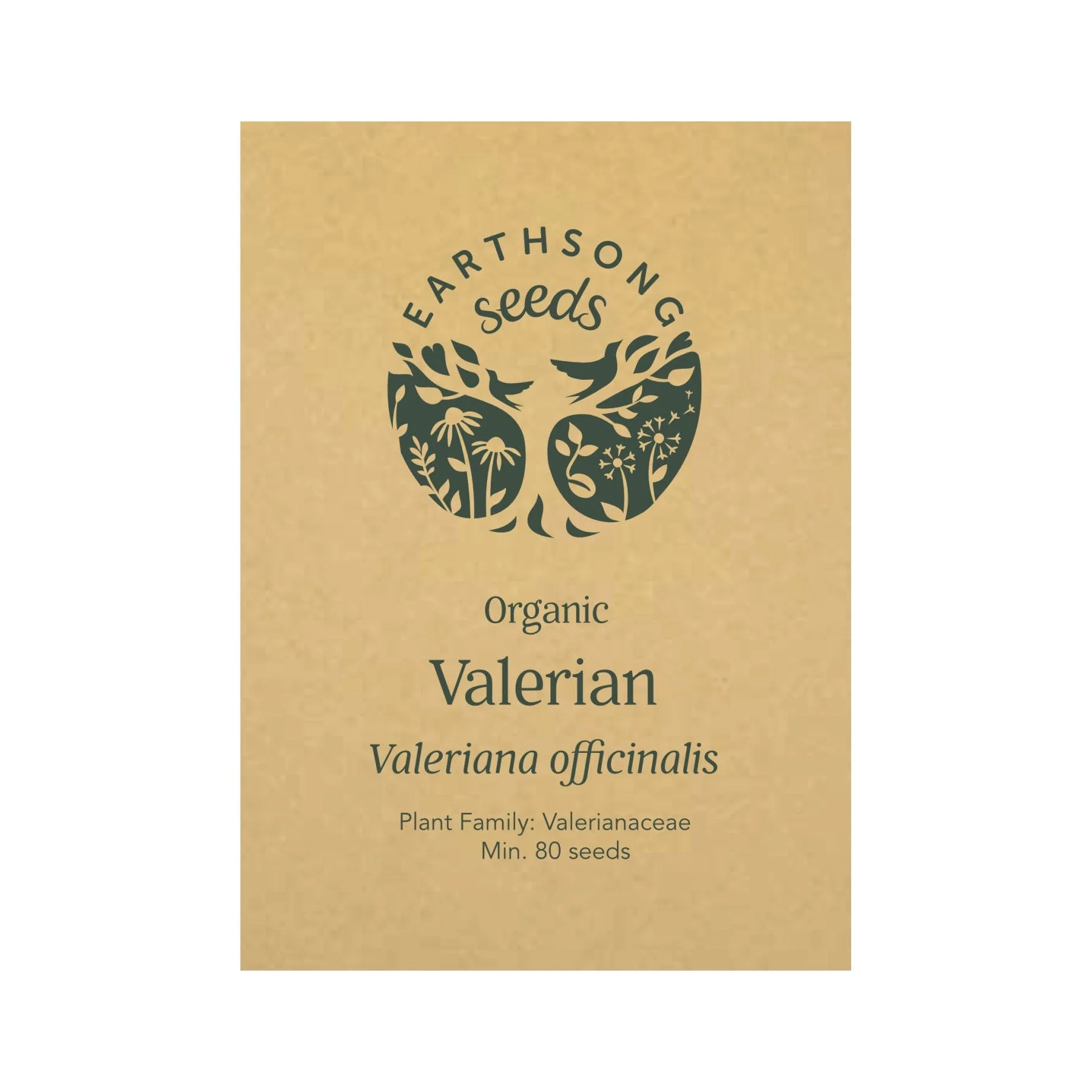
Valerian seed pack
Sowing and growing:
Sow in pots or trays in the spring, or wait until early summer and sow direct into final growing position. Sow on the surface and gently tamp down; do not cover with soil as the seeds require some light for germination. Keep the soil moist and the seeds should germinate within 10-20 days.
Uses and benefits:
Valerian is an ancient remedy used in modern times for overexcitement and sleeplessness. Interestingly its name is derived from the Latin ‘valere’ which means ‘to be strong, powerful, healthy’, and valerian was traditionally most valued as a tonic, especially in convalescence. Valerian root has been used as a sedative in Europe since the 16th century and was a prescription medicine as such in the 19th and early 20th centuries across much of the world. In the 20th century, valerian became known as a ‘nervine’, implying that it could calm, while also acting as a tonic to nourish and improve the function of the nervous system.
Harvest:
The fresh roots are harvested at the end of their second or third year. They will need a good wash to remove the earth. Then slice into longitudinal strips for drying somewhere the smell will not overpower. Do this over a radiator or in a dehydrator at 40C for 12-16 hours.
Original: $3.50
-70%$3.50
$1.05More Images
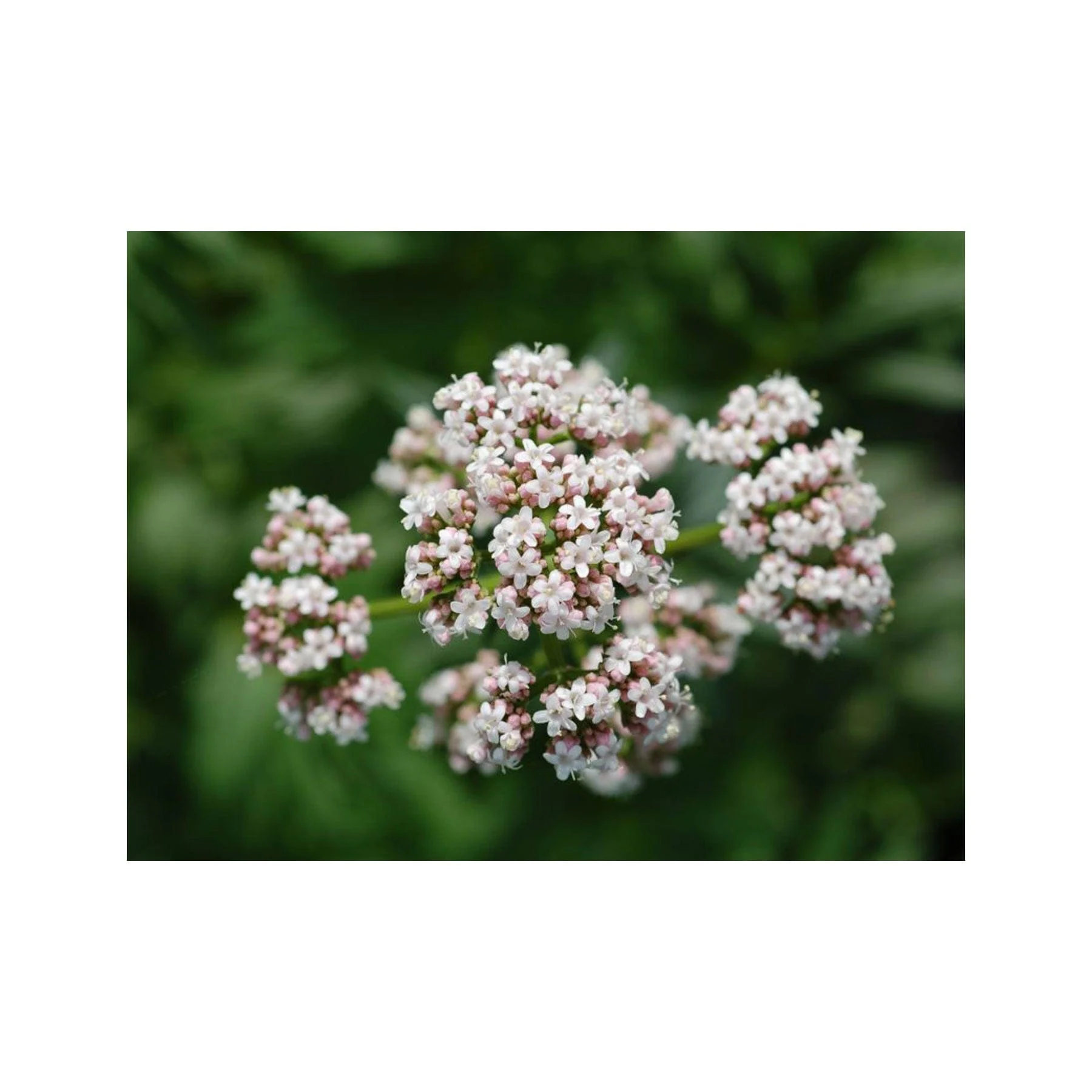


Valerian seed pack
Sowing and growing:
Sow in pots or trays in the spring, or wait until early summer and sow direct into final growing position. Sow on the surface and gently tamp down; do not cover with soil as the seeds require some light for germination. Keep the soil moist and the seeds should germinate within 10-20 days.
Uses and benefits:
Valerian is an ancient remedy used in modern times for overexcitement and sleeplessness. Interestingly its name is derived from the Latin ‘valere’ which means ‘to be strong, powerful, healthy’, and valerian was traditionally most valued as a tonic, especially in convalescence. Valerian root has been used as a sedative in Europe since the 16th century and was a prescription medicine as such in the 19th and early 20th centuries across much of the world. In the 20th century, valerian became known as a ‘nervine’, implying that it could calm, while also acting as a tonic to nourish and improve the function of the nervous system.
Harvest:
The fresh roots are harvested at the end of their second or third year. They will need a good wash to remove the earth. Then slice into longitudinal strips for drying somewhere the smell will not overpower. Do this over a radiator or in a dehydrator at 40C for 12-16 hours.
Product Information
Product Information
Shipping & Returns
Shipping & Returns
Description
Sowing and growing:
Sow in pots or trays in the spring, or wait until early summer and sow direct into final growing position. Sow on the surface and gently tamp down; do not cover with soil as the seeds require some light for germination. Keep the soil moist and the seeds should germinate within 10-20 days.
Uses and benefits:
Valerian is an ancient remedy used in modern times for overexcitement and sleeplessness. Interestingly its name is derived from the Latin ‘valere’ which means ‘to be strong, powerful, healthy’, and valerian was traditionally most valued as a tonic, especially in convalescence. Valerian root has been used as a sedative in Europe since the 16th century and was a prescription medicine as such in the 19th and early 20th centuries across much of the world. In the 20th century, valerian became known as a ‘nervine’, implying that it could calm, while also acting as a tonic to nourish and improve the function of the nervous system.
Harvest:
The fresh roots are harvested at the end of their second or third year. They will need a good wash to remove the earth. Then slice into longitudinal strips for drying somewhere the smell will not overpower. Do this over a radiator or in a dehydrator at 40C for 12-16 hours.